
0%

Choosing the 2026 Best Carbide Tipped Router Bits for Woodworking requires more than comparing prices or shiny packaging. A clean bit must survive heat, friction, vibration, and repeated passes through hardwood. At the router table, a dull edge leaves burn marks. A poorly brazed carbide tip can also produce chatter, especially in dense maple or laminated plywood.

Industry data gives this topic useful context. Grand View Research’s Woodworking Machinery Market report identifies continued growth in automated and precision woodworking equipment through 2030. Allied Market Research also reports expanding demand for power tools, supported by professional workshops and serious home users. These reports do not measure every router bit directly. Still, they show a clear trend: woodworkers expect greater accuracy, longer service life, and reliable performance from cutting accessories.

Small details matter.

Paul Sellers, a respected woodworking educator, often expresses a practical rule: “Sharp tools are safer tools.” That principle applies strongly to Carbide Tipped Router Bits. A sharp carbide edge needs less feeding pressure and leaves a cleaner shoulder on the workpiece. However, carbide is not indestructible. Incorrect speed settings, dirty collets, or careless storage can damage even premium bits. I may be overly cautious here, but brand reputation alone should never decide a buying guide.

This review compares carbide grade, cutting geometry, shank stability, heat resistance, finish quality, and real workshop durability. The ideal bit is not always the most expensive one. It is the bit that matches the material, router, and workload without creating unnecessary risk.
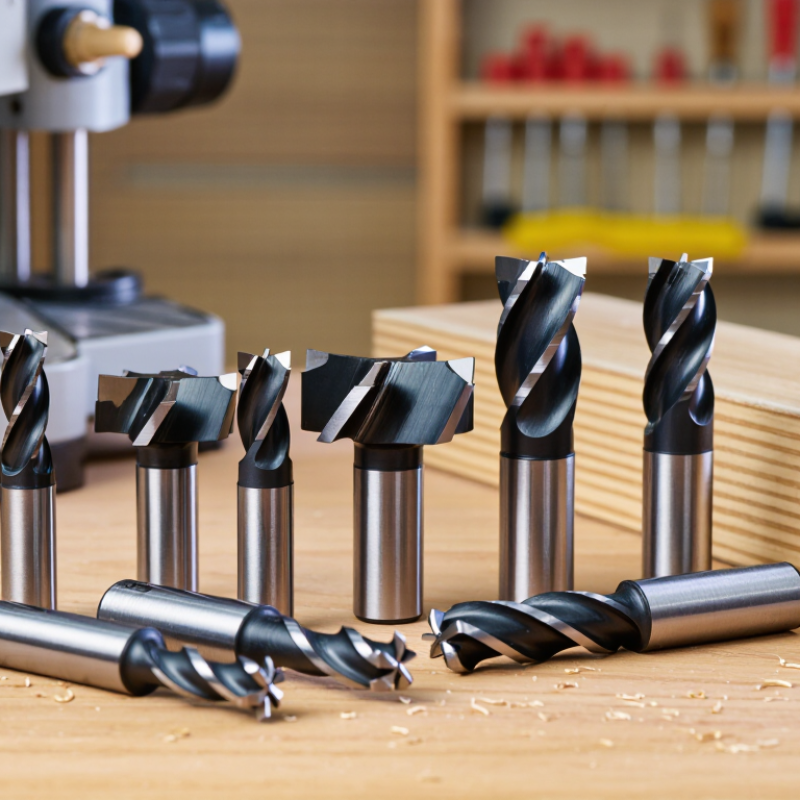
2026 Best Carbide Tipped Router Bits for Woodworking

What Carbide-Tipped Router Bits Are and How They Work

2026 Best Carbide Tipped Router Bits for Woodworking

What Carbide-Tipped Router Bits Are and How They Work

Carbide-tipped router bits combine a hardened steel body with cutting edges made from tungsten carbide. Carbide is extremely hard, so it resists abrasion when shaping oak, maple, plywood, and composite boards. The steel body provides toughness and supports the cutting geometry.

The bit spins inside a router collet. Its flutes remove small chips as the edge moves through wood. Feed speed, rotation speed, cutting depth, and grain direction control the result. Too much pressure creates heat and burning. Too little feed can rub the wood instead of cutting it. The theory sounds tidy. Wood rarely is.

The U.S. Geological Survey’s Mineral Commodity Summaries 2025 reported approximately 81,000 metric tons of global tungsten mine production in 2024. That material supports many carbide applications, including woodworking tools. However, tungsten content alone does not guarantee a better bit. Edge geometry, brazing quality, balance, and proper sharpening also matter. This point is easy to overlook.

Tips: Keep the bit clean and inspect its edge under bright light. Use shallow passes, especially in hardwood. Match the feed rate to the cutter diameter and material. Secure the workpiece firmly. A dull bit may still cut, but it increases heat and tear-out. Replace it before the finish becomes unpredictable.

Key Features to Compare in 2026 Router Bits

When comparing the best carbide tipped router bits for woodworking in 2026, examine the cutting geometry first. A sharp, balanced bit should leave clean edges on hardwood and plywood. Up-cut, down-cut, and compression designs affect chip removal and surface quality. I usually test a new bit on scrap material before routing a visible panel. That small step prevents expensive mistakes.

Shank diameter also matters. A thicker shank generally reduces vibration, especially during deep cuts. Check the bit’s maximum cutting depth, bearing quality, brazed carbide strength, and storage protection. Precision-ground carbide can stay sharp longer, but poor feed control may still cause burning. I have made that mistake.

Heat marks often reveal technique problems, not defective tooling. Compare the bit’s profile with your router’s speed range, because large diameters usually require slower settings. Inspect solder joints, carbide edges, and bearing movement before every session.

Tips: Keep the bit clean and dry. Use light passes instead of forcing one deep cut. Listen for harsh vibration. Replace damaged bits immediately. Measure the actual cut, not just the label. A digital caliper can expose small profile differences. For safer, more consistent results, secure the workpiece firmly and wear suitable eye and hearing protection. Router bits are precision tools, but they cannot correct loose stock, a dull collet, or rushed handling.

Best Carbide-Tipped Router Bit Types for Woodworking Tasks

The 2026 Best Carbide-Tipped Router Bits for Woodworking

Carbide-tipped router bits suit demanding woodworking because their cutting edges resist wear and keep profiles consistent. In my workshop, straight bits handle grooves, dados, mortises, and clean edge trimming. A two-flute design often clears chips effectively in plywood and hardwood. I still reduce feed speed when cutting dense maple, because heat can damage the edge.

Flush-trim bits follow a template or existing surface with precision. They are useful for duplicate panels and laminate work. Rabbeting bits create stepped edges for backs, frames, and joinery. Round-over bits soften exposed edges, while chamfer bits create crisp bevels on shelves and boxes. Small radii feel comfortable in the hand. Larger profiles need slower, steadier passes.

Dovetail bits cut interlocking joints for drawers and cabinets. Panel-raising bits shape door edges, but they require a powerful router and firm stock support. I once used too deep a pass and produced burn marks near the corner. That mistake changed my setup routine. I now make several shallow passes, inspect the carbide, and test every profile on scrap wood. A sharp bit matters, but correct speed, secure workholding, and dust control matter just as much. Check the shank size, cutting diameter, and recommended router speed before installation. Never rush the final pass.

2026 Best Carbide-Tipped Router Bits for Woodworking

Typical cutting diameters shown below reflect commonly available carbide-tipped router bit sizes. Actual sizes vary by cutter profile and manufacturer.

How to read the chart: Straight and flush-trim bits commonly use compact cutting diameters for edge work and joinery. Round-over, chamfer, and Roman ogee bits are often larger because their profiles shape or decorate the edge of a workpiece. Match the bit diameter and profile to the material, router capacity, and required finish.

How to Select the Right Router Bit for Different Wood Materials

Choosing the right carbide-tipped router bit begins with identifying the wood material, not the project name. Softwood cuts easily, but its loose fibers can tear around knots. A sharp straight bit works well for simple grooves, while a spiral bit often leaves cleaner edges. Test on scrap first.

Hardwood needs a rigid bit and steady feed speed. Dense maple, oak, and walnut can burn when the bit moves too slowly. I prefer shallow passes, especially when cutting deep profiles. A bearing-guided bit helps maintain an even edge, but it cannot correct uneven stock.

Plywood and MDF require different attention. Plywood may splinter along its outer veneer, so a compression spiral bit can reduce damage on both surfaces. MDF creates fine dust and can dull an edge sooner than expected. Keep the bit clean. For coated panels, use a sharp carbide bit with multiple cutting edges, then inspect the surface under direct light. I sometimes choose a bit that is technically suitable but too aggressive for the router, which causes vibration and rough corners. That mistake is worth remembering. Always match the bit diameter, cutting depth, router speed, and material density before making the final pass.

Safe Use, Maintenance, and Storage of Carbide-Tipped Router Bits

Carbide-tipped router bits demand disciplined handling, even when their edges look flawless. Before use, unplug the router and inspect each carbide tip for cracks, chips, looseness, or dark heat marks. Clean the collet and shank with a dry, lint-free cloth. A small amount of dust can create runout. Secure the workpiece firmly, set the correct speed, and keep hands outside the bit’s possible path. Never force the feed. Carbide is hard, but it can fracture suddenly. Eye protection, hearing protection, and effective dust extraction are essential. NIOSH recommends limiting hardwood dust exposure to 1 mg/m³ over a 10-hour workday, while OSHA lists separate limits of 15 mg/m³ for total dust and 5 mg/m³ for respirable dust in its air-contaminant table.

Maintenance should happen immediately after cutting, not weeks later. Remove resin with a cleaner approved for carbide, then dry the bit completely. Avoid aggressive scraping, which may damage the brazed joint. I once stored a bit that looked clean, but hidden resin later caused uneven cutting. That mistake was avoidable. Check the cutting edge under bright light, and retire any bit with missing carbide or visible cracks. Do not sharpen carbide with ordinary steel abrasives. Store every bit separately in a sleeve or fitted rack, with the cutting edges protected and the shanks kept dry. Loose bits in a metal drawer invite contact damage. OSHA’s Woodworking eTool and NIOSH’s wood-dust guidance support this maintenance approach, though real workshop conditions still require judgment. Mistakes happen. Inspection cannot be skipped.

FAQS

What are carbide-tipped router bits best used for?

They suit demanding woodworking tasks because their edges resist wear. They also keep routed profiles consistent over time.

Which router bit works well for grooves and dados?

A straight bit handles grooves, dados, mortises, and edge trimming. Two flutes often clear chips effectively from plywood and hardwood.

When should I use a flush-trim router bit?

Use it with a template or existing surface. It helps duplicate panels and trim laminate edges evenly.

What do round-over and chamfer bits create?

Round-over bits soften exposed edges. Chamfer bits create crisp bevels on shelves, boxes, and frames.

How should I cut dense hardwood safely and cleanly?

Use shallow passes and a steady feed speed. Dense maple, oak, and walnut may burn when the bit moves too slowly.

Which bits suit plywood and MDF?

A compression spiral bit can reduce splintering on plywood surfaces. MDF produces fine dust and may dull edges sooner.

What should I check before installing a router bit?

Check the shank size, cutting diameter, depth, and recommended router speed. Secure the workpiece firmly before routing.

Why should I test a profile on scrap wood?

Scrap reveals vibration, burning, tear-out, and rough corners before the final piece suffers. I once used too deep a pass. That mistake changed my setup routine.

Are panel-raising and dovetail bits difficult to use?

Panel-raising bits need a powerful router and firm stock support. Dovetail bits create interlocking joints for drawers and cabinets.

How can I reduce burning and rough corners?

Make several shallow passes and inspect the carbide edge. Slow passes help. I sometimes choose a bit that is too aggressive for my router.

Conclusion

This guide to the 2026 best Carbide Tipped Router Bits for woodworking explains how these bits use durable carbide cutting edges to shape, trim, groove, and detail wood with precision. It compares important features such as carbide quality, cutting geometry, shank size, bit balance, edge sharpness, bearing design, and compatibility with different router speeds. The guide also reviews common bit types, including straight, flush-trim, round-over, chamfer, rabbet, cove, and pattern bits, matching each type to practical woodworking tasks.

It further explains how to choose the right bit for softwood, hardwood, plywood, veneered panels, and composite materials while considering heat, tear-out, and cutting depth. For safe and efficient results, users should secure the workpiece, select an appropriate speed, make controlled passes, and wear suitable protective equipment. Regular cleaning, careful inspection, light sharpening when appropriate, and dry, protected storage can help Carbide Tipped Router Bits maintain their performance and service life.

Amelia

Amelia

Amelia is a dedicated marketing professional with a strong understanding of the company’s products, customers, and evolving market needs. With a background in strategic communication, content development, and customer-focused marketing, she transforms complex product information into clear,......