85+
Years of cutting tool innovation & OEM supply
 Built Blue Since 1940
Years of cutting tool innovation & OEM supply
Concentricity tolerance on industrial boring shanks
Active tooling SKUs optimized for B2B distribution
Rockwell hardness & dynamic balancing verification
For commercial furniture manufacturers, architectural millworkers, cabinetmakers, and industrial tool distributors, selecting the correct Wood Boring and Joining Drill Bits is a critical production variable. Drill bit geometry, steel metallurgy, micro-grain carbide formulations, and thermal management directly dictate cycle speeds, hole dimensional accuracy, joint mechanical strength, and tool life. In high-volume production, a single fraction-of-a-millimeter drift in dowel hole placement or edge blowout can cause assembly downtime, structural joint failure, and excessive material scrap.
This technical guide breaks down the engineering criteria, semantic search vectors, and intent-driven purchasing queries utilized by global buyers evaluating industrial tooling options. Century Drill & Tool has designed high-precision cutting tools under the Built Blue standard since 1940. Grounded in Google's Search Quality Rater Guidelines for Experience, Expertise, Authoritativeness, and Trustworthiness (E-E-A-T), this guide provides actionable technical intelligence and specification metrics for procurement teams seeking a measurable competitive advantage.
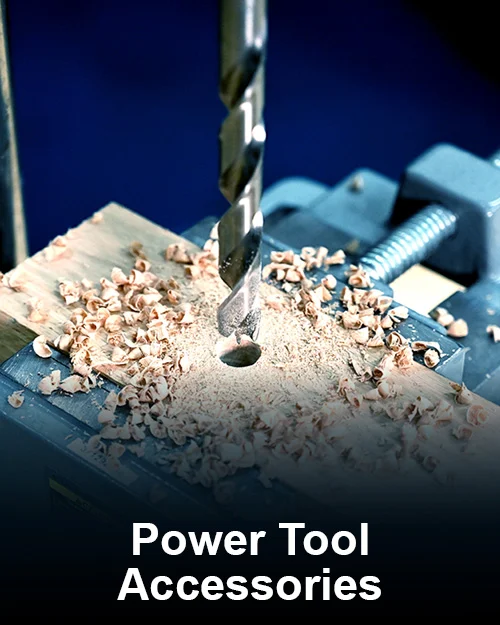
Understanding the structural differences across drill bit categories allows engineers and procurement directors to match tooling precisely to material densities, joint designs, and machinery specs.
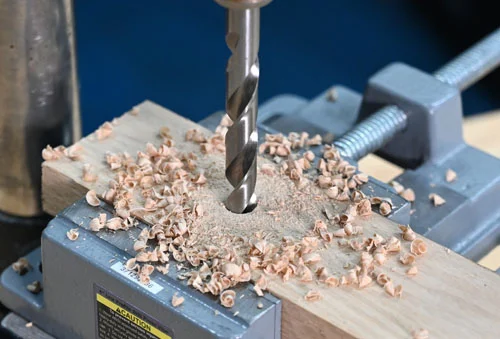
Engineered with a razor-sharp center point and twin outer spurs. Delivers exact positioning with zero walking. Ideal for blind dowel holes, pin joinery, and hardwood frame assembly where tight tolerances are mandatory.
Request Spec Sheet →Dual-diameter stepped geometry that bores a narrow pilot hole for screw shank clearance while simultaneously counterboring a flat-bottomed shoulder for the screw head in face-frame assembly.
Request Spec Sheet →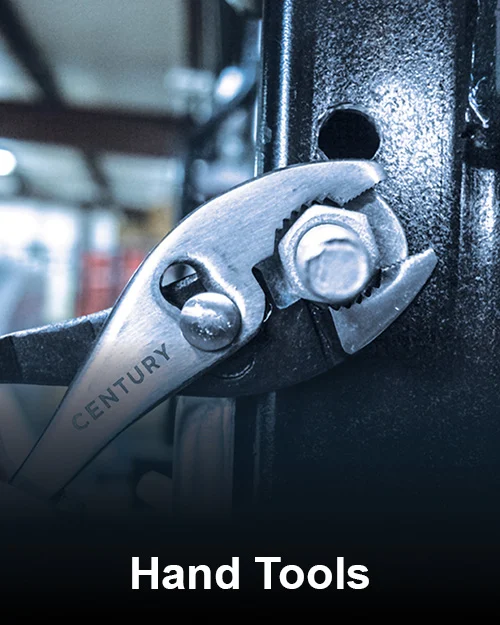
Rim-guided bits designed to produce flat-bottomed, smooth-walled holes regardless of grain orientation. Used extensively for 35mm European concealed hinges, overlapping pocket cuts, and cam-lock housing sockets.
Request Spec Sheet →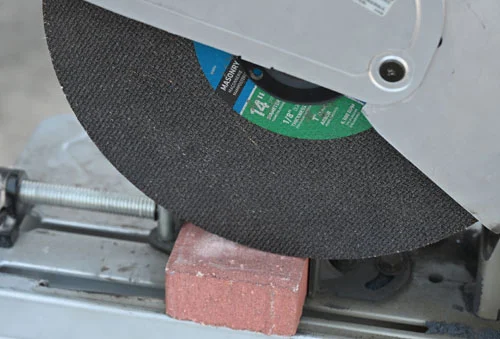
Heavy-duty deep-boring bits featuring full-length flutes and self-pulling lead screws. Designed for timber framing, structural post-and-beam joining, utility installation, and thick lumber penetration.
Request Spec Sheet →Compare performance parameters, optimal spindle speeds, feed limits, and cutting edge materials across key industrial wood boring and joining bit families.
| Bit Type & Sub-Category | Substrate / Material Compatibility | Core Metallurgy & Coating | Recommended RPM Range | Typical Joint / Application Use Case | Key Failure Mode Prevented |
|---|---|---|---|---|---|
| Industrial Brad Point Bit | Hardwoods, Softwoods, Molded Plywood | M2 HSS / Black & Bright Finish | 1,500 – 3,600 RPM | Precision dowel alignment, furniture framing, edge-to-edge joinery | Bit walking, tear-out on entry face |
| Carbide-Tipped Dowel Bit (CNC) | Melamine, Laminated Particleboard, MDF | K10 Micro-Grain Carbide Tip / Steel Body | 3,000 – 6,000 RPM (CNC Boring Units) | High-volume RTA (Ready-To-Assemble) panel furniture dowelling | Veneer chipping, fast thermal edge degradation |
| Stepped Pocket Hole Bit | Hardwood, Softwood, Composite Lumber | Fully Hardened HSS / TiN Coated Option | 2,000 – 3,500 RPM | Face-frame cabinet joinery, hidden screw angle joints | Pilot hole off-center alignment, wood splitting |
| Industrial Forstner Bit | Solid Timber, Cross-Laminated Panels | High-Carbon Alloy / Tungsten Carbide Blades | 800 – 2,400 RPM | Concealed European 35mm hinge cups, flat sockets for cam locks | Side wall scorching, out-of-round hole geometry |
| Self-Feeding Timber Auger | Green Lumber, Heavy Glulam, Construction Pine | Heat-Treated Alloy Steel with Coated Flutes | 500 – 1,200 RPM | Deep timber tie-bolts, structural timber framing, pole construction | Flute clogging, operator fatigue from feed resistance |
| Adjustable Countersink & Pilot Bit | Hardwoods, Teak, Composite Decking | M2 HSS Drill / Carbide-Tipped Countersink Collar | 1,800 – 3,200 RPM | Flush and plug-cut wood screw joining, marine joinery | Head snap due to insufficient clearance hole depth |
The operational lifespan of a wood boring tool depends directly on substrate selection, edge grinding accuracy, and structural thermal treatment.
At Century Drill & Tool, our engineering process integrates high-purity M2 High-Speed Steel alloys and industrial-grade K10/K20 micro-grain tungsten carbide inserts. Synthetic resins and high-density adhesives in modern MDF and particleboard generate extreme friction heat. Standard carbon steel bits quickly overheat, lose hardness, and dull within dozens of cycles. Our Built Blue bits undergo multi-stage vacuum heat treatment to achieve 63–65 HRC hardness while maintaining core toughness to resist shock loads.
The global wood processing and furniture manufacturing sector is undergoing rapid technological shifts. Sourcing directors must anticipate changing machine requirements and production standards.
Automated panel machinery requires standardized 10mm shank dowel and hinge bits capable of operating cleanly at higher RPMs and feed rates. Carbide-tipped bits with non-stick PTFE body coatings are becoming standard across high-volume production lines to prevent resin build-up and minimize downtime.
Cross-Laminated Timber (CLT) and mass timber construction require extra-long, high-torque auger bits and deep self-feed joinery cutters. Tools must clear thick wood chips efficiently without binding or overheating in dense, resinous glulam beams.
Modern flat-pack furniture relies heavily on complex multi-step joinery, such as eccentric cam locks, pre-glued wooden dowels, and specialized connecting bolts. Drill bits must hold micron-level depth and diameter accuracy to guarantee structural integrity during consumer assembly.
Environmental standards in North America and Europe demand improved workplace air quality. Modern bit designs incorporate modified flute helix angles that propel dust and chips directly toward vacuum extraction ports, keeping cuts clean and reducing ambient airborne particulate matter.
High-demand product configurations engineered for industrial supply houses, hardware retail programs, and high-volume manufacturing facilities.

M2 HSS precision dowelling bits available in fractional (1/8" to 1/2") and metric (3mm to 15mm) sizes. Twin-spur design ensures splinter-free holes in fine cabinet hardwoods.
Category: Drilling
3/8" main shank stepping down to 3/16" pilot tip. Engineered for high-speed pocket hole jigs used in cabinet face-frame assembly. One-piece forged HSS construction prevents step shear.
Category: Power Accessories
Micro-grain tungsten carbide main cutters with dual spur teeth. Precision-ground for smooth 35mm hinge cup sockets in abrasive melamine and fire-rated composite panels.
Category: Hardware Joinery
12-inch and 18-inch extra-long auger bits featuring self-feed screw points and single-twist wide flutes for fast chip clearing in heavy timber framing and glulam post installations.
Category: Heavy BoringClear technical answers addressing the real-world manufacturing, sourcing, and operational questions asked by global procurement officers and factory engineers.
A standard metal-cutting twist drill bit features a 118° or 135° chisel edge designed to cut through ductile metals via shear pressure. When driven into wood, a twist bit often wanders across grain lines and tears outer surface fibers as it enters. A brad point bit features a sharp center point that embeds instantly into the wood mark for precise location, accompanied by raised outer spurs. These spurs score the perimeter wood fibers before the primary cutting lips extract material, yielding smooth, zero-blowout holes essential for tight dowel joints.
Engineered panels such as medium-density fiberboard (MDF), high-density fiberboard (HDF), and melamine-faced particleboard contain synthetic binder resins and abrasive silica residues. High-Speed Steel (HSS) bits lose their edge quickly when cutting through these materials due to chemical binder abrasion and friction heat. Micro-grain Tungsten Carbide Tipped (TCT) bits provide significantly higher hardness (up to 91 HRA) and thermal stability, maintaining edge sharpness 5 to 10 times longer than HSS in abrasive composites.
Pocket-hole joinery drives self-tapping screws at an acute angle (typically 15 degrees) into mating components. A stepped pocket-hole bit bores a two-part profile in a single plunge pass: a wider counterbore hole that provides clearance for the pocket screw head to seat flatly against a solid shoulder, and a narrow pilot hole extending deeper. The pilot hole reduces radial hydraulic expansion pressure when driving the screw, preventing end-grain splitting in delicate hardwoods and laminated materials.
Hole ovality and dimensional enlargement are usually caused by three factors: excessive dynamic tool run-out (TIR), imbalanced bit geometry, or spindle chuck wear. Century Drill & Tool manufactures boring bits to concentricity tolerances under 0.01mm. Additionally, using bits with flat-machined shanks matching the clamping screws on multi-spindle boring heads eliminates rotational slippage and micro-vibration that leads to out-of-round holes.
We supply multiple standardized shanks to accommodate various machinery platforms: 1/4" quick-change hex shanks for impact drivers and hand jigs; 10mm round shanks with drive flats for industrial CNC boring heads (e.g., Weeke, Homag, Biesse); threaded shanks for multi-spindle gang drills; and straight round shanks for standard drill press chucks. Custom shank turn-downs and lengths can be engineered under our OEM program.
Yes. Century Drill & Tool has managed contract OEM and private label programs for major global hardware buying groups, tool brands, and industrial suppliers since 1940. We offer custom laser marking, custom barcoding, retail clamshell or blister packaging, specialized index sets, and flexible minimum order quantities supported by our robust global supply chain infrastructure.
Bringing 85 years of cutting tool engineering, manufacturing rigor, and global logistics execution to your industrial supply line.
Legacy tool design philosophy prioritizing real-world jobsite performance, structural durability, and operator safety since 1940.
Verified raw steel chemistry, certified heat treating cycles, and micro-grain carbide sourcing to ensure lot-to-lot cutting consistency.
Rigorous micro-meter optical inspection ensuring hole concentricity, tight dowel press-fits, and zero-defect joint integrity.
Complete product data onboarding, GS1 barcodes, localized warehouse stocking, and custom packaging support for global distribution.
Connect with our technical engineering team to request factory sample packages, review custom OEM drawing specifications, or secure competitive volume pricing for your distribution network.