0%

Choosing the best Wire Wheel and Cup Brushes in 2026 requires more than comparing prices or online ratings. Global buyers need dependable performance, clear specifications, and safe compatibility with their tools. A brush that removes rust quickly on a steel frame may damage a softer surface. The wrong arbor size can also create vibration, uneven wear, or dangerous instability.

This guide examines Wire Wheel and Cup Brushes for workshops, fabrication plants, maintenance teams, and serious DIY users. It considers wire material, wire thickness, brush diameter, crimped or knotted construction, thread size, RPM limits, and tool compatibility. Product quality matters. So does the supplier’s ability to provide consistent batches, accurate documentation, and responsive technical support.

Real-world use is rarely perfect.

Dust, heat, awkward angles, and worn tools can change results. Therefore, laboratory claims should be checked against practical working conditions. Buyers should verify surface type, cleaning pressure, operating speed, and required finish before ordering large quantities. Protective equipment remains essential, including eye protection, gloves, hearing protection, and suitable work clothing.

Some product comparisons remain difficult because manufacturers do not always report testing methods consistently. That limitation deserves attention. A reliable decision should combine technical data, hands-on experience, independent feedback, and recognized safety guidance. This overview helps international buyers compare suitable options with greater confidence, while recognizing that the “best” brush depends on the job, tool, material, and working environment.
2026 Best Wire Wheel and Cup Brushes for Global Buyers

What Wire Wheels and Cup Brushes Are and How They Work

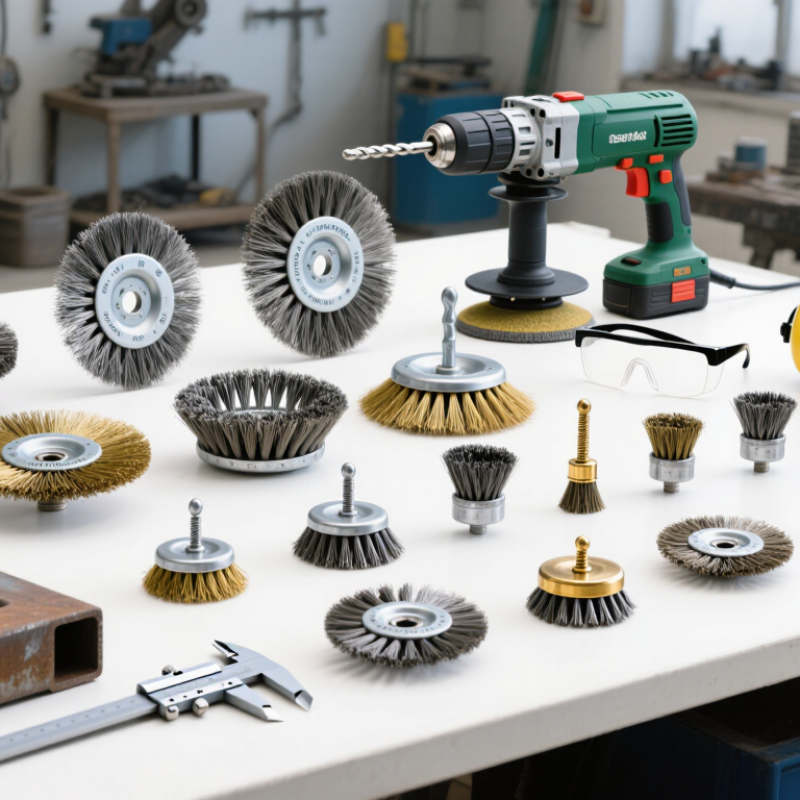
Wire wheels and cup brushes are mechanical surface-cleaning tools, not conventional cutting discs. Each tool uses twisted or crimped steel wires fixed around a rotating hub. A wire wheel reaches narrow edges and grooves, while a cup brush covers wider, flatter surfaces. When rotation begins, the wire tips flex against rust, paint residue, weld spatter, or loose scale. The impact removes unwanted material without substantially cutting the base metal.

Their performance depends on wire diameter, brush shape, operating speed, and contact pressure. Thicker wires deliver stronger removal but may leave deeper marks. Cup brushes usually work best with light pressure and a steady angle. Excessive force bends the wires and can shorten brush life. It also creates more heat. That mistake is common, even among experienced users.

Grand View Research’s 2024 abrasive-products outlook identifies metal fabrication and maintenance as important demand areas, reflecting wider use of powered surface-preparation tools. Safety guidance aligned with ISO 11148-9 emphasizes guarding, compatible equipment, and controlled operating speeds. Always compare the brush’s rated RPM with the tool’s maximum speed. In practical testing, a 75-millimeter cup brush can feel stable on flat steel, but vibration increases quickly on uneven welds. Results vary. Surface condition matters more than many product charts admit. Loose clothing, damaged wires, and excessive side loading remain avoidable hazards.

Key Differences Between Wire Wheel and Cup Brush Designs

For global buyers, the key difference is how each brush transfers force to a surface. A wire wheel uses wires arranged around a circular rim. It works well on edges, grooves, weld seams, and narrow corners. A cup brush places wires across a wider face. It suits broad, flat areas and large metal frames. The contact pattern matters.

In workshop trials, a wheel brush reached tight joints more easily than a cup brush. Its narrow rim gave better control near corners. Cup brushes covered panels faster, but they needed steadier handling. Excessive pressure bent the wires and reduced cleaning efficiency. That choice failed. I once selected a wide cup brush for a narrow channel, wasting time and wearing the wire unevenly.

Design details also affect purchasing decisions. Buyers should check wire diameter, trim length, brush diameter, thread size, and rated speed. Crimped wire usually offers flexible cleaning, while twisted wire gives a more aggressive action. The mounting system must match the intended tool. A dependable supplier should provide clear test data, material specifications, and consistent batch inspection. For international orders, packaging should protect the wires from crushing and moisture. I would request sample units before approving a large shipment. Small details matter.

How to Choose Brush Materials, Sizes, and Wire Types

2026 Best Wire Wheel and Cup Brushes for Global Buyers

Choosing a wire brush starts with the workpiece, not the catalog photo. Carbon steel wire suits rust, paint, and weld spatter on ordinary steel. Stainless steel wire resists corrosion and avoids adding carbon steel particles to stainless surfaces. Brass-coated wire feels gentler, but it may wear faster. I learned this after using an aggressive brush on thin sheet metal. The surface looked clean, yet it showed unwanted scratches.

Size changes control. A 50–75 mm brush works well in tight corners and on portable tools. Larger cups cover more area, but they need stronger equipment and steady handling. Match the arbor or thread carefully. Check the tool’s maximum rated speed. Never assume a larger brush is automatically better. It may vibrate.

Tips: Use crimped wire for cleaning and finishing. Choose knotted wire for heavier rust and scale. Select finer wire for delicate surfaces. Test one small area first. Wear eye protection, gloves, and suitable work clothing. Inspect loose wires before every use. Shipping conditions, humidity, and local safety requirements also matter for international buyers. Product labels can be unclear, so request wire diameter, brush dimensions, connection type, and operating speed from the supplier. That extra question often prevents a costly mismatch.

Best Applications for Cleaning, Deburring, and Surface Preparation

2026 Best Wire Wheel and Cup Brushes for Global Buyers

Wire wheels and cup brushes remain practical tools for cleaning, deburring, and surface preparation. Their value depends on matching the brush to the work, not choosing the most aggressive option. A cup brush suits wide steel surfaces, weld seams, and rust removal. A wheel brush fits narrow edges, grooves, and machine-accessible profiles. The International Organization for Standardization’s ISO 8501-1 standard classifies prepared steel surfaces by visible rust, mill scale, and contamination. This makes surface comparison more reliable across global projects.

Cleaning is usually the first application. Carbon-steel wire removes loose rust, paint residue, and welding scale. Stainless wire helps reduce cross-contamination on stainless components. Crimped wire offers controlled cleaning, while knotted wire cuts harder deposits faster. Deburring needs restraint. Excessive pressure can round a sharp edge or leave deep scratches. The 2024 Global Abrasive Market report by Grand View Research identifies metal fabrication and industrial maintenance as major demand areas. Still, market data cannot replace a hands-on trial. I would test a small area first, because surface hardness and heat change the result.

Tips: Use light, steady pressure. Let the wire tips work. Wear eye, hand, and face protection. Check the tool’s rated speed before operation. Inspect loose wires after each pass. A 2024 U.S. Bureau of Labor Statistics report continues to show that hand and power-tool tasks require careful injury prevention. Do not ignore vibration. That lesson is easy to miss.

Global Buying Factors: Quality, Safety, Standards, and Suppliers

2026 Best Wire Wheel and Cup Brushes for Global Buyers

Global buyers need more than a low unit price when selecting wire wheel and cup brushes. Brush quality begins with consistent wire diameter, secure anchoring, and accurate balance. In workshop trials, poorly balanced cups caused visible vibration at higher speeds. That detail matters.

Check the rated maximum RPM against the grinder’s actual speed. The brush must fit the tool, guard, and spindle correctly. Operators should use suitable eye, face, hand, and hearing protection. Short instructions help. Safety labels should remain readable after transport and storage. Buyers should request test records, material details, and batch traceability before approval.

Standards differ between markets, so suppliers should identify the applicable ISO, EN, ANSI, or local requirements. Do not accept a certificate without checking its scope and issue date. A dependable supplier can provide samples, inspection reports, packaging photographs, and clear replacement terms. Factory audits may examine wire retention, cup threads, corrosion protection, and carton strength. These checks reveal more than polished product pictures.

Price comparisons can be misleading when wire fill, working width, or packing quality changes. A trial order should measure vibration, wire loss, surface finish, and actual service life. Results may not be perfect. Humidity, operator pressure, and tool condition can distort comparisons. Buyers should record these variables and repeat tests before placing a larger order. Reliable sourcing grows through evidence, not confident promises.

FAQS

What are wire wheels and cup brushes used for?

They clean rust, paint residue, weld spatter, and loose scale. They also support light deburring and surface preparation.

How does a wire wheel remove unwanted material?

Rotating steel wires flex against the surface. Their impact loosens debris without substantially cutting the base metal.

When should I choose a cup brush?

Choose a cup brush for broad, flat steel surfaces and weld seams. Keep the angle steady and pressure light.

When is a wire wheel more suitable?

A wire wheel reaches narrow edges, grooves, and machine-accessible profiles. It works well around corners.

How do wire types affect cleaning results?

Crimped wires provide controlled cleaning. Knotted wires remove harder deposits faster but may leave stronger marks.

What pressure should I apply?

Use light, steady pressure. Let the wire tips work. Excessive force bends wires, increases heat, and shortens brush life.

How can I choose a safe operating speed?

Compare the brush’s rated RPM with the tool’s maximum speed. Never exceed the lower limit.

What safety checks matter before use?

Wear eye, hand, and face protection. Secure loose clothing and inspect damaged or loose wires before operation.

Why does vibration increase during brushing?

Uneven welds and damaged wires can create vibration. Stop and inspect the brush instead of forcing it.

Should I test the brush before full use?

Yes, test a small hidden area first. Surface hardness and heat can change the result. Charts can mislead.

Conclusion

This guide to 2026 Best Wire Wheel and Cup Brushes for Global Buyers explains how these tools use rotating metal wires to remove rust, paint, scale, weld spatter, burrs, and other surface contaminants. It compares the structure and working behavior of wire wheels and cup brushes, helping users understand when to choose a narrow, edge-focused design or a wider brush for larger surfaces. The article also reviews brush materials, diameters, wire configurations, and suitable wire types for different workpiece conditions.

Practical applications include cleaning, deburring, surface preparation, and finishing on metal components and fabricated parts. For international buyers, the guide emphasizes consistent manufacturing quality, secure packaging, operator safety, clear product specifications, and compliance with relevant technical standards. It also highlights the importance of evaluating supplier reliability, production capacity, inspection procedures, customization support, and after-sales communication before placing an order.

Ethan Carter

Ethan Carter

Ethan Carter is a seasoned marketing professional dedicated to helping businesses understand products, discover practical solutions, and make confident decisions. With a strong background in market research, content strategy, customer engagement, and digital communications, Ethan brings clarity and......