 Built Blue Since 1940
EN Contact Us
Built Blue Since 1940 Removing a damaged screw can turn a routine repair into a slow, frustrating task. A Screw Extractor Left Hand Drill Bit Set combines two useful tools for this problem. The left-hand drill bit cuts counterclockwise, sometimes loosening the fastener during drilling. If the screw remains stuck, the tapered extractor can grip its prepared hole and turn it out.
Small details matter. Bit material, extractor hardness, size range, and edge quality affect performance. A set should match the screw diameter, not simply look convenient in its case. Experienced technicians usually begin with penetrating oil, a centered pilot hole, and gentle drilling pressure. Rushing can widen the hole or snap the extractor. That mistake is difficult to reverse.
This guide explains how these sets work, where they perform best, and what their limits are. No tool removes every broken fastener. That limitation matters. Rust, excessive torque, damaged threads, and hardened screws may require heat, tapping, or professional machining. Users should also wear eye protection, secure the workpiece, and follow the manufacturer’s speed guidance.
The goal is practical understanding, not exaggerated promises. By examining design, materials, sizing, and technique, readers can choose more confidently. A well-made set may save a component, reduce drilling damage, and shorten repair time. Yet careful preparation remains more important than appearance. Even a premium extractor can fail when alignment is poor or force becomes excessive.
What Is a Screw Extractor Left Hand Drill Bit Set?
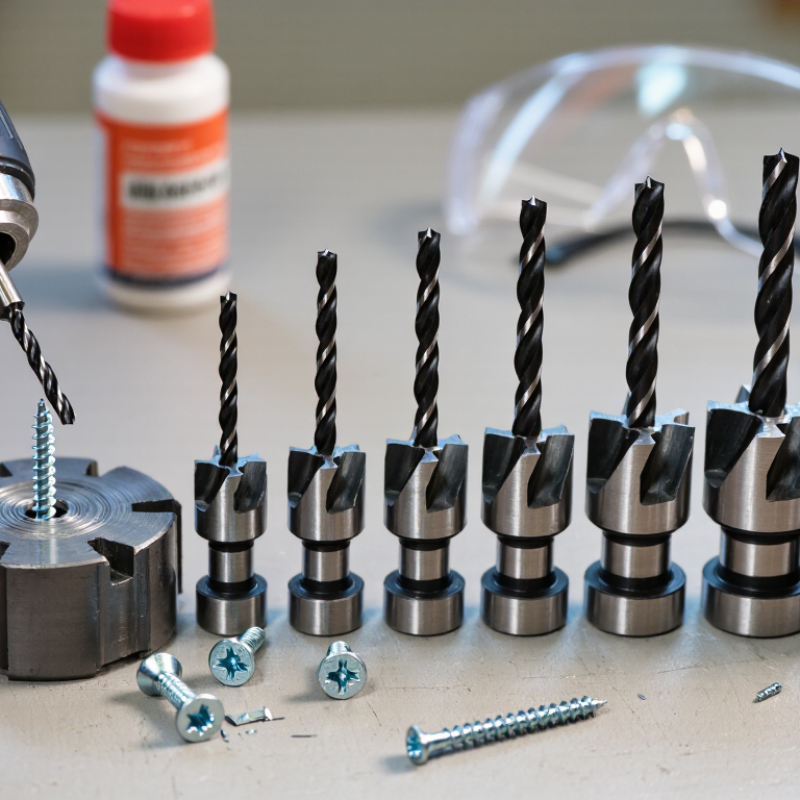
A screw extractor left-hand drill bit set is a tool kit for removing damaged, seized, or stripped screws. It usually contains left-hand drill bits and matching screw extractors. The drill bits cut while rotating counterclockwise, opposite to standard drilling direction. This reverse action can loosen a stubborn screw during the drilling stage. If the screw remains tight, the extractor grips the drilled hole and turns it out.
The set serves a practical repair purpose. It can save a metal bracket, machine housing, hinge, or fastener hole from unnecessary damage. The left-hand bit first creates a centered pilot hole. The extractor then enters that hole and uses its tapered shape for increased grip. Correct sizing matters greatly. An oversized bit may damage the surrounding threads. An undersized extractor may break under pressure. The set is useful, but it is not magic. Rushing the process often causes more trouble.
Tips: Mark the screw center with a punch. Use slow speed and firm alignment. Apply penetrating oil when corrosion is visible. Stop if the extractor twists sharply. A broken extractor is difficult to drill. Check the bit direction before starting. This small detail is easy to miss.
| Data Dimension | Factual Description |
|---|---|
| Definition | A screw extractor left-hand drill bit set is a collection of reverse-cutting drill bits and screw extractors designed to remove damaged, stripped, seized, or broken threaded fasteners. |
| Primary Purpose | Its main purpose is to create a pilot hole and provide reverse engagement so a fastener can be loosened and removed without using a conventional forward-driving bit. |
| Typical Set Components |
|
| How the Left-Hand Drill Bit Works | The bit cuts in a counterclockwise direction. During drilling, the reverse torque may loosen the fastener before an extractor is required, especially when the fastener is not severely seized. |
| How the Extractor Works | After a suitable pilot hole is drilled, the extractor is inserted and turned counterclockwise. Its tapered profile bites into the hole as torque is applied, allowing the fastener to be backed out. |
| Common Fastener Problems Addressed |
|
| Typical Size Coverage | Many general-purpose sets cover small to medium fasteners, commonly from approximately 3 mm to 12 mm in nominal diameter. Actual coverage varies by set and should be checked against the included size chart. |
| Compatible Materials | Suitable applications commonly include steel, stainless steel, cast iron, aluminum, brass, and other machinable materials, provided that the drill bit and extractor are selected for the material hardness. |
| Common Tool Compatibility | Left-hand drill bits are generally used with a reversible drill or drill press. Extractors may be operated with a tap wrench, adjustable wrench, suitable socket, or compatible hand tool, depending on the extractor design. |
| Common Bit Materials | Drill bits are commonly manufactured from high-speed steel or alloy tool steel. Some products use surface treatments or coatings to improve wear resistance, heat resistance, or cutting performance. |
| Recommended Operating Direction | Use the drill bit in reverse, or counterclockwise, rotation. The extractor is also normally turned counterclockwise to loosen a standard right-hand threaded fastener. |
| Recommended Speed | Use a controlled, relatively low speed with steady pressure. Exact speed depends on bit diameter, workpiece material, lubrication, and the drilling equipment. Excessive speed can generate heat and reduce tool life. |
| Lubrication | Cutting fluid or suitable drilling lubricant can reduce heat and friction when drilling metal. Lubrication should be selected according to the workpiece material and the tool manufacturer's instructions. |
| Basic Removal Procedure |
|
| Advantages |
|
| Important Limitations | Extraction is not guaranteed when a fastener is severely rusted, welded by corrosion, too small, deeply recessed, or made from very hard material. A broken extractor can be difficult to drill because extractors are hardened. |
| Safety Requirements | Wear safety glasses, secure the workpiece, keep hands away from rotating tools, use the correct speed and torque, and avoid excessive force that may break the extractor or damage the surrounding material. |
| Selection Criteria | Consider the fastener diameter, pilot-hole range, extractor geometry, bit material, workpiece hardness, available drive tools, corrosion level, and whether replacement extractors are available. |
| Best-Suited Applications | Automotive repair, equipment maintenance, machinery servicing, household hardware repair, furniture hardware removal, and general workshop use are common applications. |
| Maintenance and Storage | Clean chips and lubricant from the tools after use, inspect cutting edges for damage, apply a light protective oil when appropriate, and store each size in its labeled position to prevent loss or misuse. |
Practical Note: Always select the pilot-hole size carefully. A hole that is too small may prevent the extractor from engaging, while a hole that is too large may weaken the extractor's grip or damage the fastener's surrounding material.
It combines reverse-cutting drill bits with tapered screw extractors. The bits rotate counterclockwise and may loosen damaged screws. The extractor grips the drilled hole when the screw remains stuck. It is useful, not magical.
The bit cuts while turning counterclockwise. This reverse force can rotate a standard threaded screw during drilling. It also creates a centered pilot hole for the extractor. Sometimes the screw comes out within seconds.
It can help remove stripped, rounded, seized, or broken screws. Rust, dirt, and excessive tightening make removal harder. The method works best when the surrounding metal remains stable.
Clean rust and dirt from the screw head. Apply penetrating oil around the threads and wait briefly. Mark the center with a punch. A centered hole matters more than speed.
Set the drill to reverse and use low speed. Keep the bit straight with firm, controlled pressure. Use cutting oil on hard steel. Pause if the bit becomes hot, dull, or wobbly.
Choose an extractor matching the pilot hole size. Tap it gently into the hole with a hammer. Turn it counterclockwise using a wrench or tap handle. Use steady pressure, not sudden force.
An oversized bit may damage surrounding threads. Poor alignment can enlarge the hole unevenly. Excessive force can snap the extractor inside the screw. I sometimes choose a smaller bit too quickly, and that is not always safer.
Stop immediately and inspect the hole. Check the size, alignment, and extractor condition. Do not repeatedly strike a damaged extractor. A broken extractor is difficult to drill out.
Disconnect powered equipment before setup. Clamp the workpiece firmly on a stable surface. Wear safety glasses because small metal chips can travel quickly. Keep your hands away from the rotating tool.
A Screw Extractor Left Hand Drill Bit Set is a practical tool collection designed to remove damaged, stripped, or broken screws that cannot be turned with a standard driver. It typically includes left-hand drill bits in several sizes and extractor tips with reverse-threaded surfaces. The set is designed to match different screw diameters while providing a controlled way to create a pilot hole and grip the damaged fastener.
To use the set, select a bit that fits the screw, wear suitable eye protection, and drill slowly in reverse at the center of the damaged head. In many cases, the left-hand rotation can loosen the screw while drilling. If the screw remains in place, insert the matching extractor and turn it counterclockwise with steady pressure. Choosing Screw Extractor Left Hand Drill Bit Sets with durable materials, clear size markings, and compatible extractor sizes can improve control and reduce the risk of further damage. Always secure the workpiece, use the correct speed, and avoid excessive force.