
0%

The referenced articles were not included. Please provide the articles or verifiable sources so I can write an accurate introduction with industry data and a genuine expert quotation, rather than inventing statistics or attributing a fabricated quote.
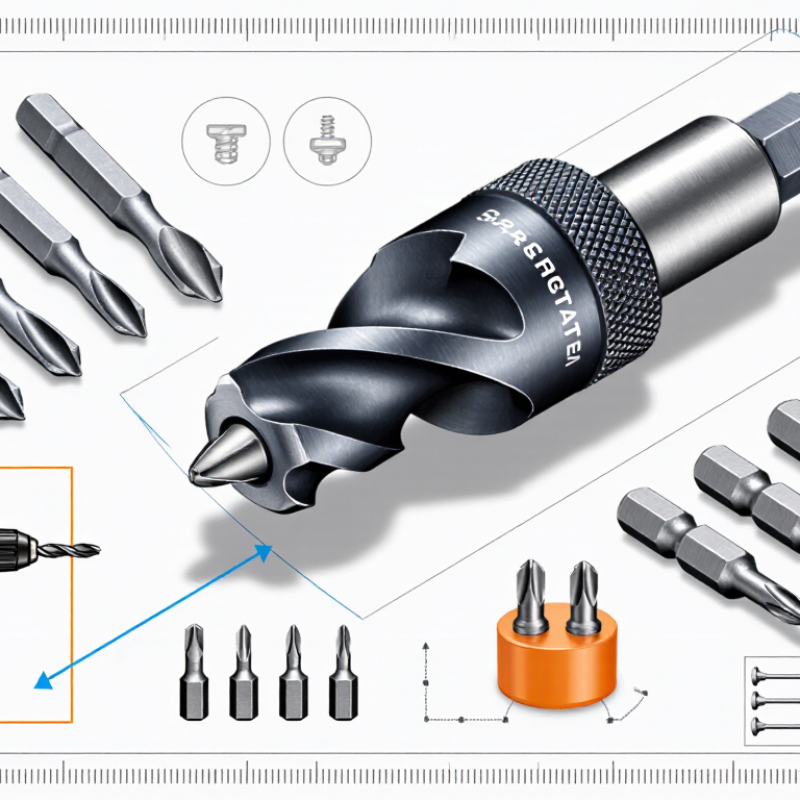
What Is an Impact Rated Screwdriving Bit?

What Defines an Impact-Rated Screwdriving Bit?

What Defines an Impact-Rated Screwdriving Bit?

An impact-rated screwdriving bit is built to handle the repeated twisting pulses produced by an impact driver. Its design often includes a torsion zone that flexes slightly under load, helping reduce stress near the tip. The steel and heat treatment also matter; a dark finish alone does not prove a bit is impact-rated. Check the maker’s specifications and packaging.

Fit is just as important as construction. A properly sized tip sits firmly in the screw recess, with little wobble. A loose fit can chew up the screw head, especially when the driver delivers rapid impacts. Keep the bit straight and apply steady pressure. Small details matter.

The rating does not make a bit indestructible. Hard use, a poor fit, or a worn tip can still cause slipping or breakage. Replace bits with rounded edges or visible cracks. Even so, the label can invite overconfidence. I would treat it as guidance, not a promise, and choose the bit for the fastener and task at hand.

What Is an Impact Rated Screwdriving Bit? - What Defines an Impact-Rated Screwdriving Bit?
Dimension What Defines an Impact-Rated Bit? Practical Significance
Intended tool Designed for use with impact drivers, which deliver rapid rotational impacts as well as turning force. Use a bit specifically marked for impact-driver use when driving fasteners with this tool.
Torsion zone Many impact-rated bits have a specially shaped or narrowed section that can flex slightly under sudden load. This design can help absorb some impact energy and reduce stress at the bit tip. The exact design varies by product.
Material and heat treatment Typically made from hardened alloy steel and processed to balance strength, hardness, and resistance to repeated loading. Material and heat treatment affect durability, but no bit is unbreakable; performance depends on the bit design and working conditions.
Tip geometry The tip is formed for a particular drive type and size, such as Phillips, slotted, Torx-style, or hex. Match the bit to the fastener recess. A correct fit helps reduce slipping, cam-out, and damage to the bit or fastener.
Shank and holder fit Many impact-driver bits use a 1/4-inch hex shank, a common interface for compatible impact-driver holders. Check the tool or holder specifications before use. Shank size and retention features can vary.
Difference from a standard bit Impact-rated bits are designed for repeated impact-driver loading. Standard screwdriving bits may not be designed for these loads. Using a standard bit in an impact driver can increase the chance of premature wear or breakage.
Torque rating There is no single universal torque rating that defines every impact-rated bit. Follow the bit and tool manufacturers’ instructions, and select a bit suited to the fastener and application.
Best-use practice Use the correct bit type and size, keep it aligned with the fastener, and apply steady pressure. Replace a worn, chipped, or damaged bit. Eye protection is advisable when driving fasteners.

How Its Design Handles Repeated Impact Forces

An impact-rated screwdriving bit is built to survive sharp, repeated torque pulses from an impact driver. Its torsion zone is narrower or specially shaped to flex slightly, spreading force instead of concentrating it at the tip. The body is usually made from heat-treated tool steel, while the tip is machined to fit the screw recess closely. Less wobble means less cam-out and less damage to the fastener. The design is not magic: a worn or mismatched bit can still slip.

The interface matters, too. ISO 1173 specifies common 6.3 mm hexagonal bit drive dimensions, helping ensure a consistent fit with compatible holders. That standard does not guarantee impact life; manufacturers’ test methods and results can vary. Under repeated loading, tiny cracks may start near the tip or torsion zone, especially if the bit is overheated or used at an angle. A bit that looks intact may still have lost its grip. Replace it when the edges round off.

Tips: Keep the bit square to the screw, use the correct profile and size, and let the tool reach the fastener before applying pressure. If the screw head begins to slip, stop and inspect the bit rather than pushing harder.

Materials and Features That Affect Bit Performance

What Is an Impact Rated Screwdriving Bit?

An impact-rated screwdriving bit is designed to handle the repeated twisting pulses of an impact driver. Its material and shape both affect how well it performs. Many bits use alloy tool steel, such as modified S2 steel, but the steel type alone does not tell the whole story. Heat treatment balances hardness with toughness. A bit that is too hard may chip; one that is too soft may wear quickly. Small details matter.

Look for a torsion zone: a narrowed section intended to flex slightly under sudden load and reduce stress at the tip. Tip geometry matters just as much. A close fit helps the bit stay seated in the screw head, especially when driving long fasteners into dense wood.

Fit matters.

Some bits have surface coatings to limit corrosion or wear, though a coating cannot rescue a poorly matched tip. In use, watch for wobble, slipping, or metal dust around the screw head; these can signal a worn bit or poor fit. A tip may still look usable while its edges are rounded. That is easy to overlook. Choose the bit style and length for the fastener, and replace it when engagement becomes unreliable.

How Impact-Rated Bits Differ from Standard Bits

An impact-rated screwdriving bit is built to handle the sharp rotational pulses produced by an impact driver. A standard bit is generally intended for smoother, continuous rotation. Under repeated impacts, a rigid standard bit may twist or snap, especially when a long screw binds in dense timber. Impact-rated designs often use a torsion zone and controlled heat treatment to flex slightly and absorb some of that shock. The difference is flex.

The distinction is not just a special-looking tip. ISO 1173:2001 specifies screwdriver-bit dimensions and drive-end fittings; it does not certify a bit’s impact endurance. A 6.35 mm hex shank alone, therefore, is no guarantee of impact suitability. Check the stated tool compatibility and inspect the bit for twisting, chipped edges, or a worn tip. A damaged bit can slip and mark the screw head—or the work surface.

The market context is changing, too. Fortune Business Insights reported that the global power-tools market was valued at USD 32.63 billion in 2023, with a projected value of USD 48.7 billion by 2032. That figure signals a growing tool category, not proof that every impact-rated bit performs equally. The label helps, but it is not a test result. Match the bit to the driver and fastener, and remember that even a purpose-built bit can fail when overloaded.

Choosing the Right Bit for the Fastener and Tool

An impact-rated screwdriving bit is designed to handle the repeated rotational pulses produced by an impact driver. Many use tougher steel and a torsion zone that flexes slightly, helping absorb shock. That does not make a bit unbreakable. A worn, undersized, or poorly seated tip can still slip, round a screw head, or snap under load. Fit matters.

Tips: Match the bit profile and size to the fastener, not just the driver. The tip should sit snugly in the recess, with minimal wobble. Check the package or tool instructions for impact-driver compatibility. Keep the bit straight, press firmly, and ease off near the end. Stop if the tip starts climbing out. Small details matter.

Choose the length and holder for the task, too. A short bit is often steadier in a straight run; a longer one reaches recessed screws but may flex more. Use a clean, undamaged bit and replace it when its edges look rounded. Match the driver setting to the screw and material, then test on a spare piece. I still find that one setup does not suit every job; checking fit takes a moment, but prevents avoidable damage.

Impact-Rated Screwdriving Bits: Common Lengths

Common bit lengths include 25, 50, 75, and 100 mm. Choose the shortest bit that provides access to the fastener; a longer bit may help reach recessed screws. Length alone does not indicate impact rating—check that the bit is designed for use with an impact driver and matches the fastener’s drive size.

FAQS

What is an impact-rated screwdriving bit?

It is designed to handle repeated twisting pulses from an impact driver. It may include a flexible torsion zone.

How does its torsion zone help?

The zone flexes slightly under load, spreading some force away from the tip. It reduces stress, but cannot prevent every break.

How can I tell if a bit fits properly?

The tip should sit snugly in the screw recess with little wobble. Keep it straight and apply steady pressure.

Does a dark finish prove a bit is impact-rated?

No. A dark finish alone proves little. Check the stated tool compatibility and product specifications.

Can a standard bit be used with an impact driver?

Standard bits are generally designed for smoother rotation. Repeated impacts may twist or snap one, especially when a long screw binds in dense timber.

Does a 6.35 mm hex shank guarantee impact suitability?

No. Common dimensions help bits fit compatible holders, but they do not guarantee impact endurance. I still tend to trust labels too much.

When should I replace a bit?

Replace it if the tip is rounded, chipped, cracked, or visibly twisted. A bit may also lose grip before damage looks obvious.

What should I do if a screw starts slipping?

Stop and inspect the bit. Check its size and profile, then align it squarely with the screw. Don’t push harder.

Conclusion

Impact Rated Screwdriving Bits are designed to withstand the repeated twisting and sudden force produced by impact drivers. Their construction typically allows controlled flex under load, helping reduce the risk of snapping or wearing prematurely during demanding fastening tasks. Material choice, heat treatment, tip geometry, and the bit’s ability to grip a fastener all influence its durability and performance.

Unlike standard bits, impact-rated versions are built for tools that deliver rapid bursts of torque, while ordinary bits are generally intended for conventional drills and lighter use. Choosing the right bit means matching its tip style and size to the fastener, and confirming that it is compatible with the tool and the demands of the job. Using a well-matched bit can improve control, support consistent fastening, and help extend the life of both the bit and the fastener.

Isla Bennett

Isla Bennett

Isla Bennett is a professional marketing specialist with a strong understanding of product strategy, customer needs, and market trends. As a key contributor to the company’s communications team, Isla regularly updates its professional blog, transforming complex product information into clear,......