Built Blue Since 1940 Choosing the right abrasive wheel affects cut quality, work pace, and operator safety. Type 1 Abrasive Cut Off Wheels have a flat profile designed for straight cutting through compatible materials. Their slim shape can make narrow cuts with limited material removal, when the wheel and tool match the job. The difference is visible at the workbench: a properly selected wheel can follow a marked line without grinding away a wide channel.
Fit matters. A wheel must match the machine’s diameter, arbor, and rated speed. Check the label and tool manual before installation, and inspect the wheel for damage. Use the required guard and suitable eye and face protection. These are not optional details. A small mismatch can create serious risks, even when the wheel appears to fit.
This guide explores why users choose Type 1 wheels, which tasks suit them, and what to check before cutting. Material type, thickness, tool power, and cut direction all affect performance. A wheel that works well on one metal may not suit another material or application. That point is easy to overlook. No single wheel is right for every job, and product descriptions alone cannot replace the manufacturer’s instructions. The aim is practical: help readers compare options, understand trade-offs, and make a more informed choice.
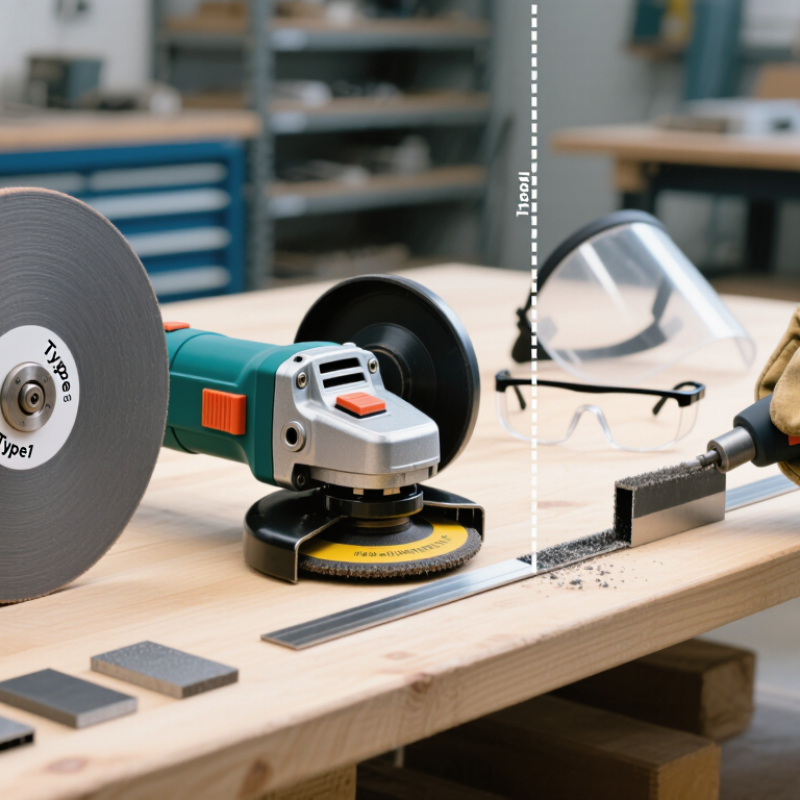
A Type 1 abrasive cut-off wheel is a flat, straight-sided wheel with a central mounting hole. Its simple profile is designed to cut with the wheel’s outer edge, not its broad faces. On a suitable saw or grinder, the wheel makes narrow cuts through compatible materials such as metal or masonry, depending on its abrasive composition and rating. The thin edge helps limit material loss, but it also needs steady handling. Keep the cut aligned. Twisting the wheel in the kerf can increase stress and cause damage.
The wheel must match the machine’s arbor, dimensions, and maximum operating speed. Check the label and inspect the wheel for cracks or damage before mounting it; use the machine’s guard and suitable eye protection. A cut-off wheel is not a substitute for a grinding wheel. Pressing its side against a workpiece can be unsafe.
Operators sometimes expect a fast cut to fix poor setup. It rarely does. Secure the work, let the wheel reach operating speed, and use controlled pressure. Some cuts still feel slower than expected, and that is worth noticing: forcing the feed can make the wheel wander or overheat.
A Type 1 wheel is a flat, straight-sided disc with a central mounting hole. Its narrow edge makes the cut; the wheel is not designed for grinding on its side. This geometry helps create a slim kerf, limiting material loss and reducing the force needed to pass through metal. In practice, a steady feed matters. Push too hard, and the wheel can bind or wear unevenly.
The Federation of European Producers of Abrasives (FEPA) safety guidance notes that bonded abrasive products are rated for specific maximum operating speeds. A common rating for cut-off wheels is 80 m/s, but the wheel’s label and the tool’s actual speed must match. That figure is a limit, not a target. Flat wheels are useful for straight cuts in sheet, tube, and bar, though they offer little control for curved cuts. This trade-off is easy to overlook.
Why Choose Type 1 Abrasive Cut Off Wheels?
Which Materials and Cutting Tasks Is It Suited For?
Type 1 wheels have a flat profile and cut using their outer rim. The right wheel depends on the abrasive and the material. Aluminum oxide wheels are commonly used for carbon steel and stainless steel. Silicon carbide versions may suit non-ferrous metals, such as aluminum, when the wheel label allows it. Check the wheel’s specifications rather than relying on appearance alone.
These wheels work well for straight cuts through metal tubing, threaded rods, angle stock, and thin sheet. They can be used with compatible handheld or stationary cutting equipment. A clean cut needs steady support: loose tubing can twist, while a thin sheet may vibrate and snag. That detail is easy to overlook. Type 1 wheels are for cutting, not side grinding; pressing on the wheel’s face can cause damage.
Tips: Match the wheel’s size and maximum RPM to the tool. Inspect it for cracks before use, secure the workpiece, and keep the guard in place. Let the wheel reach speed before contact, then use light, even pressure. Stop if it binds. Safety glasses and suitable protective equipment matter, even for a quick cut.
With its flat, straight-sided profile, a Type 1 abrasive cut-off wheel is designed for direct cuts in compatible materials. Its slim edge removes a relatively narrow amount of material, which can help reduce waste and leave a cleaner kerf. A cut through thin steel tubing, for example, is easier to guide when the workpiece is clamped and the wheel stays aligned. That matters.
The flat shape can also help the operator see the cut line and reach narrow spaces. Unlike a depressed-center wheel, it is intended for cutting rather than broad face grinding. For repeat cuts on rod, sheet, or small sections, that focused contact can make control more predictable.
The trade-off is real.
A thin wheel is less tolerant of side pressure, so twisting it in the cut can cause damage or breakage.
Choose a wheel rated for the tool’s speed and the material, inspect it before use, and fit the correct guard. Keep the wheel straight, let it cut at its own pace, and secure the work firmly. It may feel slower than forcing the tool, but steady pressure usually gives better control. Even then, cut quality depends on the wheel, setup, and operator—not the wheel shape alone.
A Type 1 wheel has a flat profile for straight, controlled cuts through compatible materials. Match its diameter, bore, and maximum speed to the machine; the wheel’s rated speed must meet or exceed the grinder’s no-load speed. Check the label before mounting. A mismatch can turn a routine cut into a serious hazard. U.S. OSHA’s abrasive-wheel standard, 29 CFR 1910.215, requires suitable guarding and specifies wheel mounting and inspection practices.
Inspect the wheel for cracks, chips, or moisture damage, and never use one that looks questionable. Secure the workpiece, keep the guard between you and the wheel, and let the tool reach full speed before cutting. Apply steady pressure; do not twist the wheel or grind with its side. That detail is easy to overlook.
HSE’s 2023/24 workplace report recorded 138 worker fatalities and an estimated 604,000 self-reported non-fatal injuries in Great Britain; these figures cover all work-related causes, not abrasive wheels specifically.
Wear eye and hearing protection, and pause if vibration, heat, or unusual noise develops. I would rather replace a doubtful wheel than try to make it work.
It is a flat, straight-sided wheel with a central mounting hole. It cuts with its outer edge.
It can cut compatible materials, such as metal or masonry. The abrasive composition and wheel rating matter.
It removes relatively little material and can leave a narrow kerf. That helps on thin steel tubing.
No. It is designed for cutting, not broad-face grinding. Side pressure can damage the wheel.
Clamp the workpiece, align the wheel, and use controlled pressure. Twisting in the cut raises stress.
Match its arbor, dimensions, and speed rating to the machine. Inspect it for cracks or damage.
Use the machine’s guard and suitable eye protection. Secure the work firmly.
Forcing the feed can make the wheel wander or overheat. Let it reach operating speed and cut at its own pace. Still, slower can feel frustrating.
Type 1 Abrasive Cut Off Wheels are flat, straight-sided wheels designed to make narrow, controlled cuts when mounted on a compatible power tool. Their simple profile allows the wheel’s edge to enter a workpiece without the raised center found on some other wheel styles. Depending on the wheel’s specifications, they can be used to cut materials such as steel, stainless steel, and other metals for tasks including trimming stock, cutting pipe, and separating metal sections.
A Type 1 wheel can offer efficient cutting, a clean kerf, and good access to straight cutting lines. To choose one, match its material rating, diameter, thickness, and maximum operating speed to both the workpiece and the tool. Before use, inspect the wheel for damage, confirm it is correctly installed, and follow the tool and wheel instructions. Wear suitable eye and face protection, secure the workpiece, and let the wheel cut without forcing or twisting it.