Thread Chasing vs. Cutting Taps: Mechanical Dynamics & Metal Material Conservation
In modern industrial fabrication, heavy equipment reconditioning, and automotive remanufacturing, thread integrity is paramount to structural safety. Procurement officers and chief manufacturing engineers frequently face a critical specification choice: whether to utilize conventional metal-cutting taps and dies or deploy specialized CE certified thread chasers. Understanding the fundamental mechanical distinction between material subtraction and cold-working material displacement forms the bedrock of efficient fleet maintenance and production yield.
Core Technical Insight: Unlike standard cutting taps that pare away base material to create new female threads, thread chasers are non-destructive geometry-restoring tools designed to cold-form and re-align displaced, burred, or crushed thread crests without weakening the tensile strength of the original fastener connection.
1. Mechanical Principles of Thread Restoration
When an external bolt stud or internal tapped hole experiences cross-threading, impact galling, or rotational shear, metal is rarely severed completely—it is plastically deformed. Applying a standard cutting tap to a damaged thread removes this deformed metal, resulting in undersized pitch diameters, loose thread fits (Class 1B or Class 2A degradation), and catastrophic structural failure under high torque loads.
Thread chasers feature custom pitch profile geometry with softened lead-ins and non-cutting radial flutes. As the chaser is driven across damaged threads, it exerts localized compressive force against the high spots, pushing the displaced steel back into its original helical pitch contour. This process preserves the structural mass, maintains critical pitch diameter tolerances (compliant with ANSI/ASME B1.1 and ISO 68-1 standards), and prevents thread stripping under dynamic tensile loads.
High Speed Steel (HSS-Co M35)
Manufactured using 5% Cobalt alloyed high-speed steel. Resists thermal softening up to 650°C during continuous heavy-duty maintenance operations on hardened alloy studs.
CE Compliance & Safety
Fully certified under European Machinery Directive standards (EN ISO 12100), ensuring zero material embrittlement or micro-fracturing during torque-heavy thread cleaning.
Hex Head Drive Integration
Designed with precision-machined hex tops allowing seamless actuation using standard socket wrenches and ratchets in restricted engine bays and structural channels.
2. Comprehensive Tooling & Specification Selection Matrix
Selecting the appropriate thread restorer or abrasive wheel requires rigorous alignment with workpiece hardness, pitch diameter, and operation environment. The matrix below outlines operational boundaries established across our production facilities:
| Tool Family | Material Composition | Hardness Rating | Target Application | Mechanical Advantage |
|---|---|---|---|---|
| Metric / SAE Thread Chasers | High Carbon Steel / M2 HSS | HRC 60 – 64 | Engine studs, wheel lugs, hydraulic fittings | Restores threads without stock removal; preserves load rating |
| Nu-Thred Restoring Files | Tempered Tool Steel | HRC 62 – 65 | External damaged bolts (8 distinct pitches/file) | Universal multi-pitch repair; no need to unbolt component |
| Cobalt Spiral Point Taps | HSS-Co M35 (5% Co) | HRC 65 – 67 | Stainless steel (304/316), Titanium alloys | High heat resistance; efficient chip ejection in through-holes |
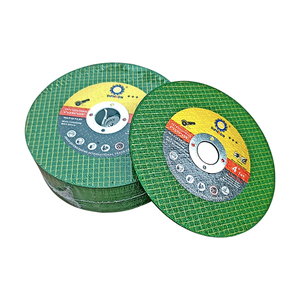
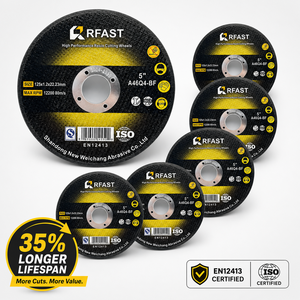
| Type 1 Cut-Off Wheels | Aluminum Oxide / Zirconia | Bond Grade Q – V | Structural metal channel, pipe cutting | High peripheral speed (80 m/s); low burr formation |
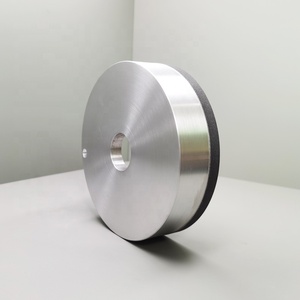
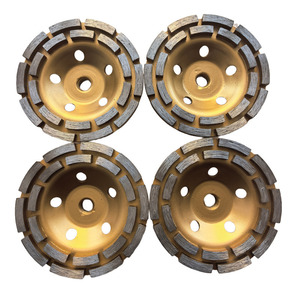
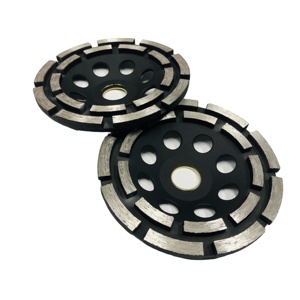
| Diamond Segment Cup Wheels | Sintered Diamond / Matrix Alloy | HV 1800+ (Diamond) | Concrete, masonry, surface weld dressing | Extreme wear resistance; fast stock removal rate |