 Built Blue Since 1940
EN Contact Us
Built Blue Since 1940 Explore our precision-engineered high-grade abrasive wheels, surface preparation tools, and heavy-duty structural metalworking solutions designed for global OEM and distribution procurement.
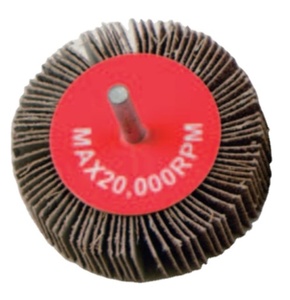
Premium aluminum oxide grain flap wheel with solid steel shaft for smooth deburring and seam weld finishing.
Contact Us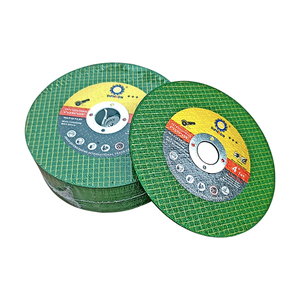
Ultra-thin double reinforced cut-off wheel engineered for high-speed burr-free cuts on stainless steel.
Contact Us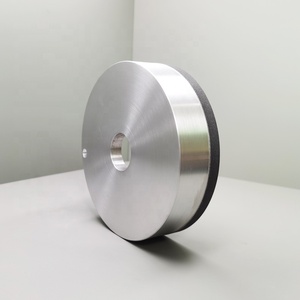
High-density diamond resin matrix engineered for precision sharpening of tungsten carbide and hardened tools.
Contact Us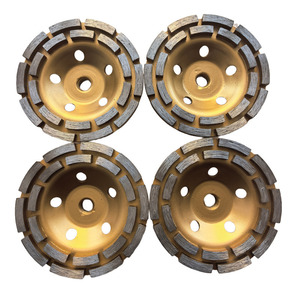
Heavy-duty double row segment diamond cup designed for aggressive concrete beveling and masonry prep.
Contact Us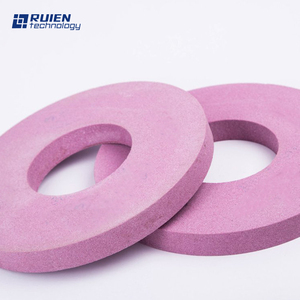
Industrial grade depressed center Type 27 grinding disc for heavy weld removal and heavy fabrication cleanup.
Contact Us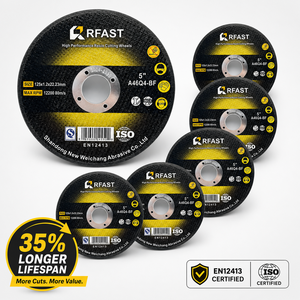
High-hardness quartz sand formulation optimized for structural rebar, angle iron, and metal pipe cutting.
Contact Us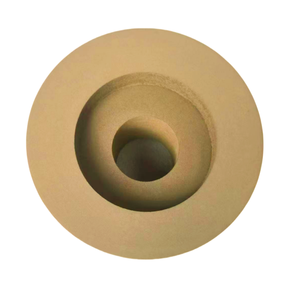
Precision aluminum oxide grit 80 regulating wheel engineered for tight-tolerance cylindrical grinding.
Contact Us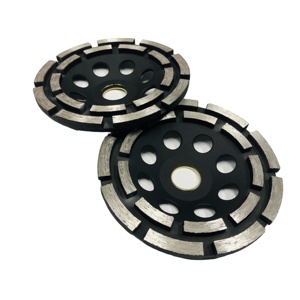
Thermal sintered matrix segments designed for fast concrete surface profiling, mortar removal, and stone work.
Contact UsIn structural engineering, heavy demolition, mining, and railroad infrastructure, the heavy striking hammer is an indispensable manual impact mechanism. Evaluating a supplier from the perspective of a global procurement director requires looking far beyond surface aesthetics—it requires analyzing metallurgic composition, mechanical grain structure, drop-forging tonnage, and kinetic energy transfer efficiency.
A enterprise-grade sledge hammer relies on closed-die drop-forging technology. Unlike cheaper cast-iron alternatives that suffer from internal micro-porosity and brittle fracture risk under repeated impact loading, high-grade forged striking heads undergo intense compression under multi-ton friction drop hammers or hydraulic forging presses. This process aligns the internal crystalline lattice of carbon steel along the stress axis of the striking face.
Tier-1 factories utilize SAE/AISI 1045 or 4140 Chrome-Molybdenum alloy steel. Dual-stage induction hardening creates localized striking zone hardness of HRC 48–56 while preserving a softer shock-absorbing core (HRC 30–38) to prevent catastrophic chipping.
Modern fiberglass handle technologies incorporate pultruded continuous glass fibers jacketed in high-impact polypropylene. Internal dampening rods reduce recoil vibration transfer to the operator's arms by up to 70%, preventing repetitive strain injuries.
Eliminating head-to-handle separation under heavy over-strike forces requires chemical and mechanical bonding. Industrial suppliers combine epoxy resin potting with reverse-tapered eye cavities, exceeding BS 876 pull-off force benchmarks by over 200%.
Standard budget sledge hammers feature flat, sharp-edged striking faces that concentrate shear force on off-center hits, causing dangerous steel spalling (fragmentation). Leading export manufacturers machine a 45-degree chamfer rim around the perimeter of the face. This geometric chamfer redirects off-center impact vectors back into the head mass, virtually eliminating chipping hazards in accordance with ANSI B173.3 standards.
For international buyers, tool brand owners, and industrial catalog buyers, identifying a dependable manufacturing partner demands rigorous verification across five critical operational operational pillars:
A top-tier factory must possess fully automated hydraulic forging lines ranging from 630 to 2,500 tons. Automation ensures exact weight tolerances (within ±1.5%), consistent eye cavity centerlines, and uniform head geometry, essential for automated handle pressing and mass-production balancing.
Batch-type manual heating leads to inconsistent Rockwell hardness across production lots. Leading exporters implement continuous mesh-belt electric furnaces with controlled atmosphere quenching to ensure localized induction hardening is identical across millions of units.
Safety compliance mandates rigorous destructive testing. Tier-1 facilities test sample batches for tensile pull-off resistance (exceeding 10,000 N), overstrike impact endurance (over 1,000 blow cycles onto steel plates), and extreme temperature environmental aging (-40°C to +70°C).
From laser-etched weight callouts and custom handle color matching to retail-ready sleeve packaging and barcode compliance, top exporters offer comprehensive turnkey OEM/ODM services tailored to global distribution networks.
Reference this baseline specification matrix when planning OEM tool lines, procurement RFQs, or catalog engineering standardizations.
| Head Mass (lbs / kg) | Material Grade | Hardness Profile | Handle Material Options | Key Application Field | Compliance Standard |
|---|---|---|---|---|---|
| 2 lbs - 4 lbs (0.9 - 1.8 kg) | SAE 1045 Carbon Steel | HRC 48 - 54 (Faces) | Hickory / 3-Component FRP | Light Demolition, Staking, Rebar Shaping | ANSI B173.3 |
| 6 lbs - 8 lbs (2.7 - 3.6 kg) | SAE 1045 / 4140 Alloy | HRC 50 - 56 (Faces) | High-Impact Fiberglass / Steel Core | Concrete Breaking, Heavy Mechanical Maintenance | DIN 6475 / BS 876 |
| 10 lbs - 14 lbs (4.5 - 6.3 kg) | Forged 4140 Chrome-Moly | HRC 52 - 58 (Dual Zone) | Pultruded FRP Core with TPR Overmold | Mining, Railway Track Laying, Structural Demolition | BS 876 / ISO 9001 |
| 16 lbs - 20 lbs (7.2 - 9.0 kg) | Drop-Forged Alloy Steel | HRC 52 - 58 (Faces) | Heavy-Duty Steel Pipe / Reinforced FRP | Extremity Demolition, Heavy Pile Driving | Industrial Custom |
As global regulatory bodies increase focus on occupational safety and industrial supply chains transition toward sustainable manufacturing, the striking tool category is undergoing significant technological evolution.
Future handle designs are moving beyond standard solid fiberglass toward multi-layer co-molded structures featuring interior elastomer dampening chambers. These assemblies absorb shock waves before they reach the operator's hands.
Global retail buyers increasingly require audited carbon footprints. Leading exporters are adopting electric arc furnace (EAF) steel sourcing, utilizing up to 85% post-consumer recycled metal powered by renewable energy.
For industrial job sites and equipment rental operations, sledge hammer heads are now being manufactured with recessed RFID or QR code slots, allowing seamless tool check-out/check-in tracking and asset management.
Built upon over eight decades of toolmaking heritage (Built Blue tradition since 1940), our manufacturing setup integrates industrial cutting, threading, striking, and surface finishing technologies under one robust quality control protocol.
Find immediate answers to common technical, manufacturing, and international trade questions raised by procurement managers.
Drop-forged heads are formed by compressing white-hot solid steel under immense pressure, forcing the internal metal grain structure to follow the shape of the head. This yields exceptionally high structural integrity and fatigue resistance. Cast-iron heads are made by pouring liquid iron into molds; they contain internal air pockets and structural micro-cracks that cause heads to shatter dangerously under heavy impact.
Hickory offers natural flex and superior aesthetic grip, making it a classic choice for woodworking and light striking. However, for extreme industrial demolition, high-impact fiberglass with a pultruded core and protective over-strike collar is superior. Fiberglass will not rot, dry out, or snap cleanly under missed blows, providing significantly longer service life and higher safety margins.
Sample tools are locked into hydraulic tensile testing machines that apply increasing linear pull force to the head while holding the handle stationary. Compliance standards such as BS 876 or ANSI B173.3 require minimum pull-out resistance (typically 6,000 N to 10,000 N depending on head mass). Premier factories engineered epoxy injection assemblies frequently exceed 20,000 N before joint movement occurs.
Yes. We specialize in OEM and private-label manufacturing. We provide custom powder-coated head finishes (black oxide, industrial blue, safety orange, polished mirror faces), laser-engraved logos, custom rubber grip colors, and branded retail barcode packaging tailored to your brand guidelines.
Striking tools should be stored in dry, climate-controlled environments away from corrosive chemical fumes. Wooden handles should be periodically inspected for cracks and treated with boiled linseed oil to maintain moisture content. Steel heads should be wiped down with light rust-inhibiting oil prior to prolonged storage.
Consolidated shipments are carefully organized by weight density. Heavy steel striking heads and sledge hammers are packed in heavy-duty reinforced corrugated cartons and palletized at the bottom of the ocean container. Delicate abrasive wheels and diamond grinding cups are cushioned in shock-absorbing inner boxes and placed on top or in separate shrink-wrapped pallets to prevent cracking during transit.