 Built Blue Since 1940
EN Contact Us
Built Blue Since 1940 Explore our export-grade industrial abrasive wheels, precision grinding discs, and heavy-duty tool solutions manufactured to international DIN & ISO compliance standards.
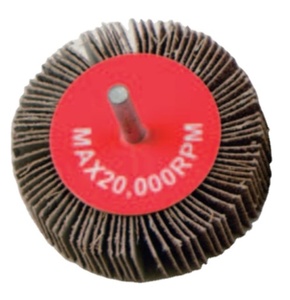
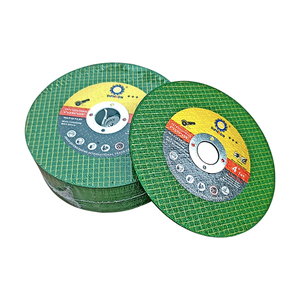
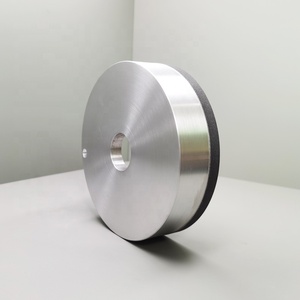
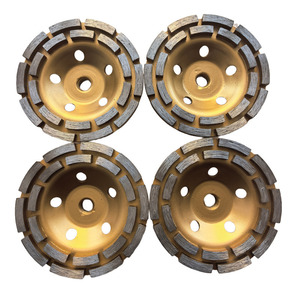
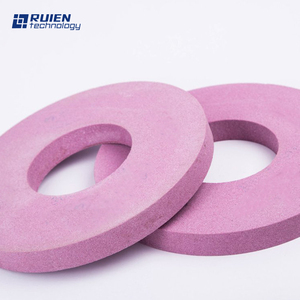
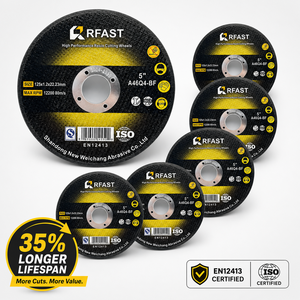
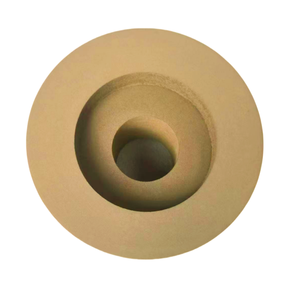
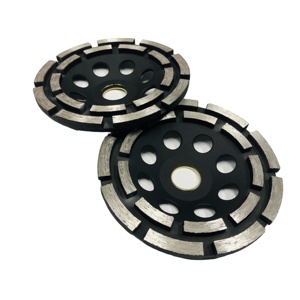
Combining over eight decades of metallurgical mastery with modern automated drop-forging to deliver failure-proof industrial hand tools and cutting accessories.
Forged since 1940, our hand tools and cutting accessories follow strict "Built Blue" engineering protocols. Every production batch undergoes non-destructive ultrasonic grain testing, Rockwell hardness (HRC) validation, and dimensional tolerance auditing.
We utilize high-grade Chrome Vanadium (Cr-V 6150) and Chrome Molybdenum (Cr-Mo) steel formulations. Double-heat-treated jaw teeth deliver maximum bite force while preventing edge chipping under high torsional stress.
Our engineered eccentric rivet placement shifts the mechanical pivot closer to the cutting edge. This high-leverage geometry reduces required manual hand effort by 35% when cutting hardened wire or gripping rounded stock.
In high-stress industrial applications—ranging from automotive electrical assembly to high-voltage grid maintenance—combination pliers must perform three distinct mechanical tasks without structural degradation: gripping flat surfaces, turning cylindrical rods, and shearing high-tensile wire. Standard commercial pliers frequently fail due to jaw teeth stripping, pivot joint wobble, or edge micro-fracturing under shear stress.
Modern industrial-grade combination pliers (complying with DIN ISO 5746 and ANSI B107.20M specifications) rely on specialized jaw geometry split into four distinct working zones:
Procurement departments must evaluate steel alloy compositions to match performance requirements against operational budgets. Below is an engineering comparison of primary alloy grades used in combination pliers manufacturing:
| Steel Grade / Material | Hardness (Body) | Hardness (Edge) | Tensile Strength | Primary Industrial Application |
|---|---|---|---|---|
| Chrome Vanadium (Cr-V 6150) | HRC 44 – 48 | HRC 60 – 63 | > 1,200 MPa | Heavy-duty electrical, professional automotive repair, industrial construction. Best balance of ductility & wear resistance. |
| Chrome Molybdenum (Cr-Mo) | HRC 46 – 50 | HRC 62 – 65 | > 1,450 MPa | Extreme torsional load environments, aerospace maintenance, high-impact mechanical cutting. Superior fracture toughness. |
| High-Carbon Tool Steel (C60 / C70) | HRC 40 – 45 | HRC 56 – 59 | > 950 MPa | General maintenance, standard DIY, hardware retail distribution. Cost-effective for non-continuous cutting. |
| VDE 1000V Insulated Cr-V | HRC 44 – 48 | HRC 60 – 63 | > 1,200 MPa | Live electrical utility work. Multi-layer dip or injection molded handles tested to IEC 60900 / VDE specifications. |
As global supply chains stabilize, B2B tool buyers, wholesale distributors, and OEM brands are reshaping their procurement strategies based on three main pillars:
Modern electrical contractors favor combination pliers that integrate secondary functions—such as integrated wire stripping notches, terminal crimping jaws, and external deburring ribs on the head edges. Purchasing multi-function tools lowers belt weight for technicians and reduces inventory SKUs for distributors.
Global buyers are moving away from single-region dependence. Tier-1 buyers require factory partners with automated forging facilities, flexible OEM packaging capabilities, and fully transparent raw material origin certificates (REACH & RoHS compliance).
Industrial safety regulations (OSHA, NFPA 70E) are driving demand for certified 1000V insulated hand tools. Pliers manufactured with dual-color insulated handles—where a yellow inner layer warns the user if the orange outer insulating sleeve is worn or damaged—are quickly becoming standard across power utilities.
To meet aggressive longevity requirements in modern manufacturing, leading hand tool factories are adopting high-tech manufacturing processes:
Expert engineering answers to common technical queries regarding combination pliers specification, factory testing, and OEM customization.
Industrial-grade combination pliers generally feature a body hardness of HRC 42–48 to ensure mechanical strength and torsional flexibility without brittleness. The cutting edges undergo secondary high-frequency induction hardening to achieve HRC 60–65, allowing them to cut hard steel wire (ACSR and spring wire) without jaw notch damage.
DIN ISO 5746 is the international standard governing combination pliers. It dictates precise performance criteria including jaw alignment, handle bending strength, cutting capacity tests against hard wire, and insulation dielectric limits. Standard commercial pliers often skip these destructive testing protocols, leading to premature jaw wear under trade conditions.
High-leverage combination pliers position the pivot rivet 10% to 15% closer to the cutting edge compared to traditional center-pivot pliers. By altering the mechanical lever ratio, the user achieves up to 35% higher hand cutting force with the same amount of applied hand grip, reducing repetitive strain injuries in production environments.
We provide full OEM and ODM services, including custom handle color injection moulding, laser-etched logo branding on steel heads, custom jaw profile machining, and tailored retail packaging (such as clamshell, header cards, or index cases). Private label programs are backed by complete technical data sheets and compliance certificates.
Every VDE-certified insulated plier handle is dielectric tested at 10,000 Volts AC under water immersion to certify safe working loads up to 1,000V AC / 1,500V DC (in compliance with IEC 60900). Additional tests include high-impact thermal chamber drop testing at -25°C and handle pull-off resistance testing at 500N pressure.
During ocean freight export, tools are subjected to high atmospheric humidity and salt vapor. Pliers should be treated with a micro-thin anti-rust oil barrier or black phosphate coating before sealed VCI (Vapor Corrosion Inhibitor) polybag packaging. End users should clean and re-oil the pivot joint regularly during service.
Whether you require custom OEM combination pliers production, industrial abrasive wheels, or full catalog distribution rights, our engineering team is ready to deliver precise quotations, material test reports, and sample kits.