 Built Blue Since 1940
EN Contact Us
Built Blue Since 1940 Supplying Boston machine shops, OEM fabricators, and industrial distributors with high-speed steel step drills, grinding discs, and surface finishing tools engineered to rigid ASME and ISO tolerances.
An in-depth technical examination of high-speed steel substrate selection, PVD coating performance, chip evacuation dynamics, and self-centering tip geometries for demanding manufacturing applications.
In modern high-precision fabrication environments throughout Greater Boston and New England, step drill bits—often designated as multi-diameter drill bits—represent a cornerstone tooling solution for hole making in thin-walled structural members, electrical enclosures, sheet metal ducting, and aerospace chassis assemblies. Unlike conventional twist drills, which rely on single-margin cutting edges that tend to grab, tear, or burr thin sheet metals, step drills feature incrementally stepped cutting radii configured along a tapered axis. This structural configuration enables a single tool to produce concentric, chatter-free holes across dozens of standard fractional or metric diameters while simultaneously chamfering and deburring each hole entry edge.
Selecting the optimal step drill factory and supplier for industrial operations requires a comprehensive understanding of tool metallurgy. Standard commodity step drills sold in retail channels typically utilize basic M2 High-Speed Steel. While M2 provides excellent toughness and acceptable wear resistance for mild carbon steel (e.g., A36), brass, aluminum, and plastics, it experiences rapid thermal breakdown when subjected to the extreme frictional heat generated by drilling austenitic stainless steel, high-tensile structural alloys, or nickel-based superalloys commonly encountered in Boston's defense and maritime engineering sectors.
Our industrial production facilities engineer step drills using premium alloyed substrates tailored to specific thermal and mechanical stress profiles:
To further extend tool life and optimize chip sliding dynamics, our step drills undergo advanced multi-layer PVD surface treatment. These micro-thin ceramic coatings drastically lower the coefficient of friction and act as a thermal barrier between the substrate and workpiece chip flow:
The internal geometry of a step drill's flute governs two critical performance parameters: chip evacuation rate and torsional chatter resistance. Our engineering teams offer both dual straight flute and 3D spiral flute profiles to match specific machining setups:
Dual Straight Flute: Traditional geometry allowing easy re-sharpening across the rake face. Highly effective for vertical drill press setups and rigid fixtures where chip flow is directed downward clear of the workpiece.
Spiral Flute Geometry (2-Flute & 3-Flute): Helical flute design provides continuous, smooth cutting edge engagement. This reduces torsional vibration by up to 35%, lowers feed force requirements, prevents bit binding in thin sheet stock, and dynamically pulls chips upward out of deep enclosure step steps.
Tailored step tooling solutions serving the specialized manufacturing clusters, defense corridors, biotech construction projects, and maritime shipyards across Massachusetts and neighboring states.
The high-tech industrial belt surrounding Route 128 (I-95) from Waltham to Woburn demands ultra-precise hole making for radar housings, drone frame structures, and naval defense electronics. Our M42 TiAlN-coated step drills provide the exact hole circularity and burr-free tolerances required for military-grade aluminum 6061-T6 and 7075 chassis panels.
Boston’s massive boom in life science infrastructure—centered around Kendall Square, Cambridge, and the Seaport District—requires extensive electrical knockout drilling and stainless steel ductwork modification. Electrical contractors rely on our 7/8" and 1-1/8" step drills to produce clean conduit holes in NEMA 4X stainless steel enclosures without scorching sensitive coatings.
Commercial marine maintenance at East Boston facilities and Quincy shipyards subjects cutting tools to severe salt spray corrosion and tough 316 marine-grade stainless steel deck fittings. Our cobalt step bits feature heavy-duty 135° split points that bite immediately into tough hull plating without walking or requiring center punching under difficult field conditions.
Ongoing modernization projects across the MBTA subway network, bridge retrofits, and commuter rail stations require robust hand-held drilling through heavy-gauge structural steel framing, thick conduit junction boxes, and architectural metal facade panels across New England's urban centers.
Precision prototyping firms in North Shore industrial parks fabricate micro-fluidic mounting plates, surgical equipment chassis, and diagnostic diagnostic machinery. Customized step drill geometries permit single-pass drilling and deburring in ultra-thin titanium and specialized PEEK polymers.
Serving industrial supply distributors and private-label tool brands across Massachusetts, Rhode Island, and Connecticut with custom-branded packaging, barcode-indexed sets, and scalable B2B inventory restocking programs.
How changing manufacturing paradigms across the Northeast are driving demand for premium step drills, specialized coatings, and verified factory direct supply chains.
Driven by strict aerospace weight targets and marine corrosion mandates, Boston machine shops are rapidly transitioning from standard carbon steel to high-strength alloys such as 316L stainless steel, titanium Grade 5, and high-nickel structural sheets. Standard HSS tools failure rates are unacceptably high under these conditions. Procurement directors are actively mandating M35/M42 Cobalt step drills with TiAlN/AlCrN PVD coatings to ensure predictable tool life and eliminate costly shop-floor downtime.
Global supply chain disruptions over recent years have forced New England OEM buyers to move away from unverified broker channels. Procurement teams require direct factory partnerships capable of providing lot-traceable raw material certifications (ISO 9001:2015), consistent Rockwell hardness testing documentation, and guaranteed lead times for custom step drill dimensions.
Field installation crews across commercial HVAC, solar array mounting, and electrical contracting are replacing traditional corded drill presses with high-torque 18V/20V cordless impact drivers. Modern step drills must incorporate 1/4" hex shanks engineered with specialized impact-rated power grooves to prevent shank shear under sudden high-torque loads.
Match workpiece materials with correct step drill substrates, surface coatings, optimal cutting speeds (SFM), and recommended lubricants to maximize tool longevity.
| Workpiece Material | Recommended Substrate | Optimal Coating | Cutting Speed (SFM) | Coolant / Lubricant | Application Note |
|---|---|---|---|---|---|
| Mild Steel (A36, 1018) | M2 High-Speed Steel | TiN (Gold) | 80 - 110 SFM | Water-Soluble Oil / Dry | Standard 118° or 135° split point; excellent chip evacuation. |
| Stainless Steel (304, 316) | M35 / M42 Cobalt | TiAlN / AlCrN | 35 - 55 SFM | Sulfurized Cutting Oil | Low RPM, constant feed pressure. Never let step bit dwell. |
| Aluminum (6061, 5052) | M2 HSS / Bright Finish | Uncoated / TiB2 | 150 - 250 SFM | Kerosene / WD-40 / Mist | Polished flutes prevent chip welding and edge buildup. |
| Brass & Copper Alloys | M2 High-Speed Steel | Uncoated / TiN | 120 - 180 SFM | Dry / Light Machine Oil | Dual straight flute prevents bit grabbing on entry. |
| Electrical NEMA Panels (ABS/Poly) | M2 HSS | Uncoated | 100 - 150 SFM | Dry / Air Blast | Use sharp step edges to eliminate perimeter melting. |
| Structural Inconel & Titanium | M42 Super Cobalt | AlCrN High-Temp | 20 - 35 SFM | High-Pressure Synthetic Oil | Rigid CNC setup mandatory. Heavy positive feed per step. |
Built Blue technical heritage since 1940 — combining rigorous metallurgical quality control, flexible OEM/ODM manufacturing, and comprehensive distribution support.
Every batch of step drills undergoes automated optical dimensional scanning, concentricity verification (runout < 0.02mm), and metallurgical Rockwell C hardness testing to guarantee defect-free performance.
Need proprietary step diameters, special step transition angles (e.g., 90° countersink steps), or custom laser-etched laser markings? Our CNC grinding lines produce custom tooling tailored to your exact drawings.
We support regional New England supply hubs with blanket contract ordering, inventory safety stock buffer management, and rapid logistics to ensure your assembly lines never face critical stockouts.
Answers to common technical, procurement, and application queries from machine shop managers, electrical contractors, and tool buyers across New England.
Standard High-Speed Steel (M2) step drills work well for soft sheet metal, aluminum, and plastics. However, Greater Boston’s defense, biotech, and marine industries frequently work with 304/316 stainless steel and high-tensile structural alloys. Cobalt step drills retain their structural hardness at significantly higher friction temperatures, preventing cutting edge breakdown and offering up to 4x longer service life in hard metal applications.
We supply step drills with three primary shank configurations: 1) 3-Flat Shank (prevents chuck slippage under heavy rotational torque), 2) 1/4" Quick-Change Hex Shank (impact-rated for rapid cordless driver use in electrical knockout drilling), and 3) Straight Precision Round Shanks optimized for collet chucks on automated CNC machine tools.
Traditional 118° drill points tend to "walk" or skitter across flat sheet metal surfaces, requiring a separate center-punch or pilot bit operation. Our industrial step drills feature a self-centering 135° split point tip that bites into the material immediately upon contact, reducing thrust effort and enabling single-step hole placement even on curved stainless steel tubing.
Yes. We provide complete OEM/ODM manufacturing programs for industrial tool distributors and private labels across North America. Services include high-precision laser marking of custom logos, custom step increment depths, metric or imperial laser-etched sizing, and full retail clamshell or industrial tube packaging.
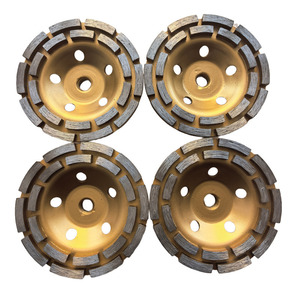
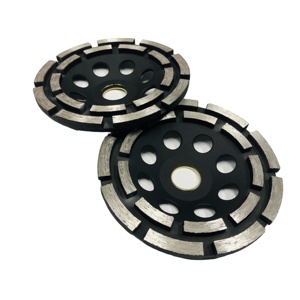
Step drills must be re-sharpened across the flat face of the flute (the rake face)—never on the outer stepped cutting radii. Re-grinding the outer diameter alters the precision hole sizing. By grinding a uniform thin layer off the flute face using a diamond resin grinding wheel (such as our 220 grit diamond cup wheel), the entire stepped cutting profile is renewed simultaneously.
Standard catalog step drill inventory and standard abrasive wheels are maintained for immediate fulfillment. Regional orders shipped to Greater Boston, Worcester, Providence, and Southern New England typical arrive within 1 to 3 business days via expedited freight or parcel service.
Contact our technical sales team today to request factory direct pricing, detailed CAD specification sheets, custom step bit quotes, or sample evaluation sets for your Boston facility.